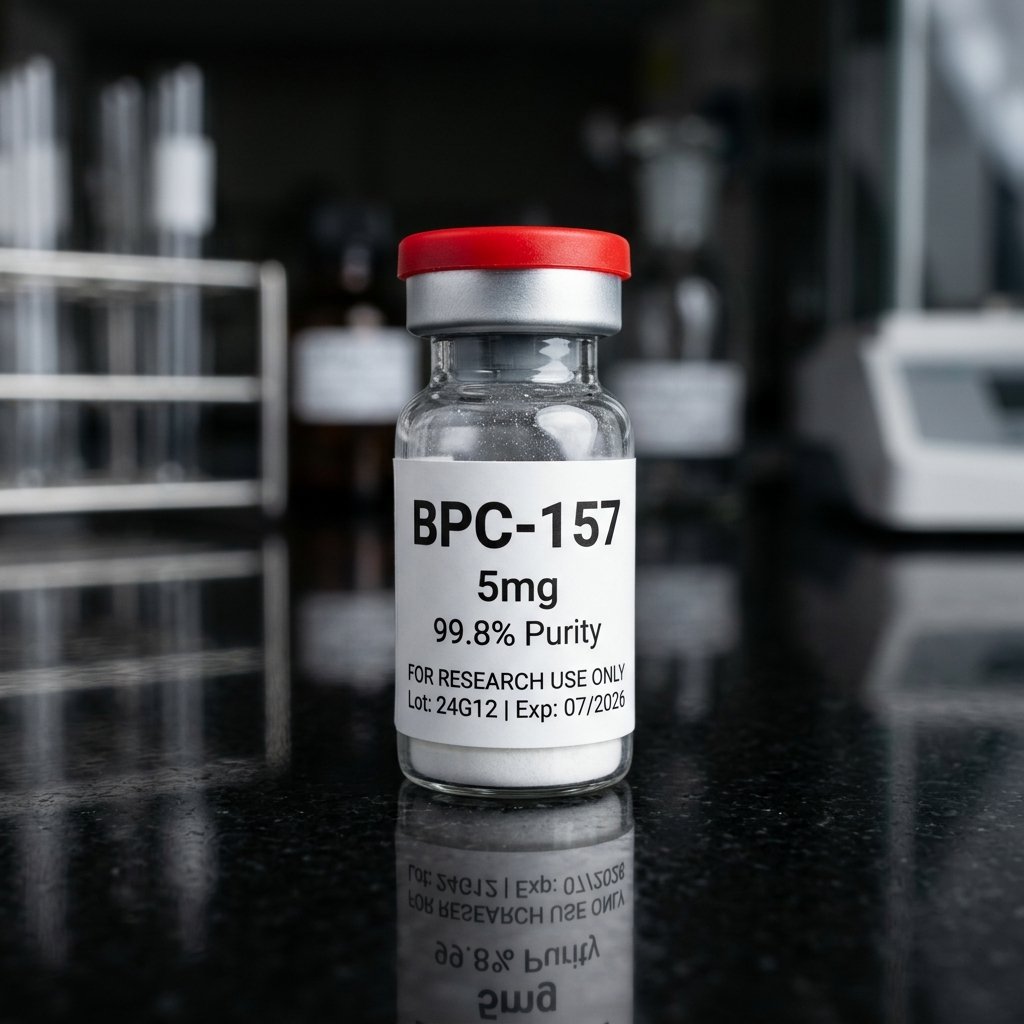
"Research use only" (RUO) is a specific legal and commercial positioning used across the life sciences supply chain, not a marketing phrase. Understanding what it means — and what responsibilities it places on both suppliers and buyers — helps set accurate expectations for anyone purchasing in this category.
What "research use only" means
RUO products are sold for laboratory, analytical, and scientific study purposes. They have not gone through the regulatory approval processes required for products intended for human or animal consumption, diagnostic use, or therapeutic treatment. That approval pathway (involving clinical trials, manufacturing standards specific to pharmaceuticals, and regulatory review) is separate from, and far more extensive than, what governs a research-grade compound.
Why the distinction exists
Regulators draw this line so that legitimate laboratory research — synthesizing, testing, and studying compounds — can proceed without every substance needing full pharmaceutical approval first. That flexibility exists specifically for genuine research contexts, which is the reason the labeling requirement is taken seriously rather than treated as a formality.
Supplier responsibilities
- Clearly labeling products as research-use-only on packaging, listings, and marketing materials.
- Avoiding language that suggests dosing, therapeutic benefit, or human-use application.
- Verifying buyer eligibility where required (e.g., confirming age of majority).
- Maintaining documentation (COAs, SDS where applicable) appropriate to a laboratory-grade product.
Buyer responsibilities
- Purchasing and handling products consistent with their stated research purpose.
- Storing and disposing of materials according to applicable laboratory safety practices.
- Understanding that RUO products carry no manufacturer guarantee of safety or efficacy for any use outside controlled research settings.
Reading a compliance-first listing
A well-positioned RUO listing generally avoids specific dosing language, avoids implying a health outcome, and states its research-only purpose plainly rather than burying it in fine print. That framing isn't a legal loophole — it's the accurate description of what the product is and isn't.